Find Cheap Ammo Deals Without Sacrificing Quality
Struggling to keep your shooting hobby affordable without sacrificing practice time? Cheap ammunition simply means factory-new or remanufactured rounds that deliver reliable function at a lower per-round cost, often using lighter bullet weights, steel casings, or bulk-packaging to trim expenses. Because it still meets standard pressure and safety specs, you can run it through your firearm for everyday drills, plinking, or zeroing without worry—just check that your gun cycles the specific load smoothly. The real benefit is that you get more trigger time for less money, letting you build muscle memory and confidence while saving your premium defensive rounds for carry or competition.
What Exactly Counts as Budget-Friendly Ammo and Is It Reliable?
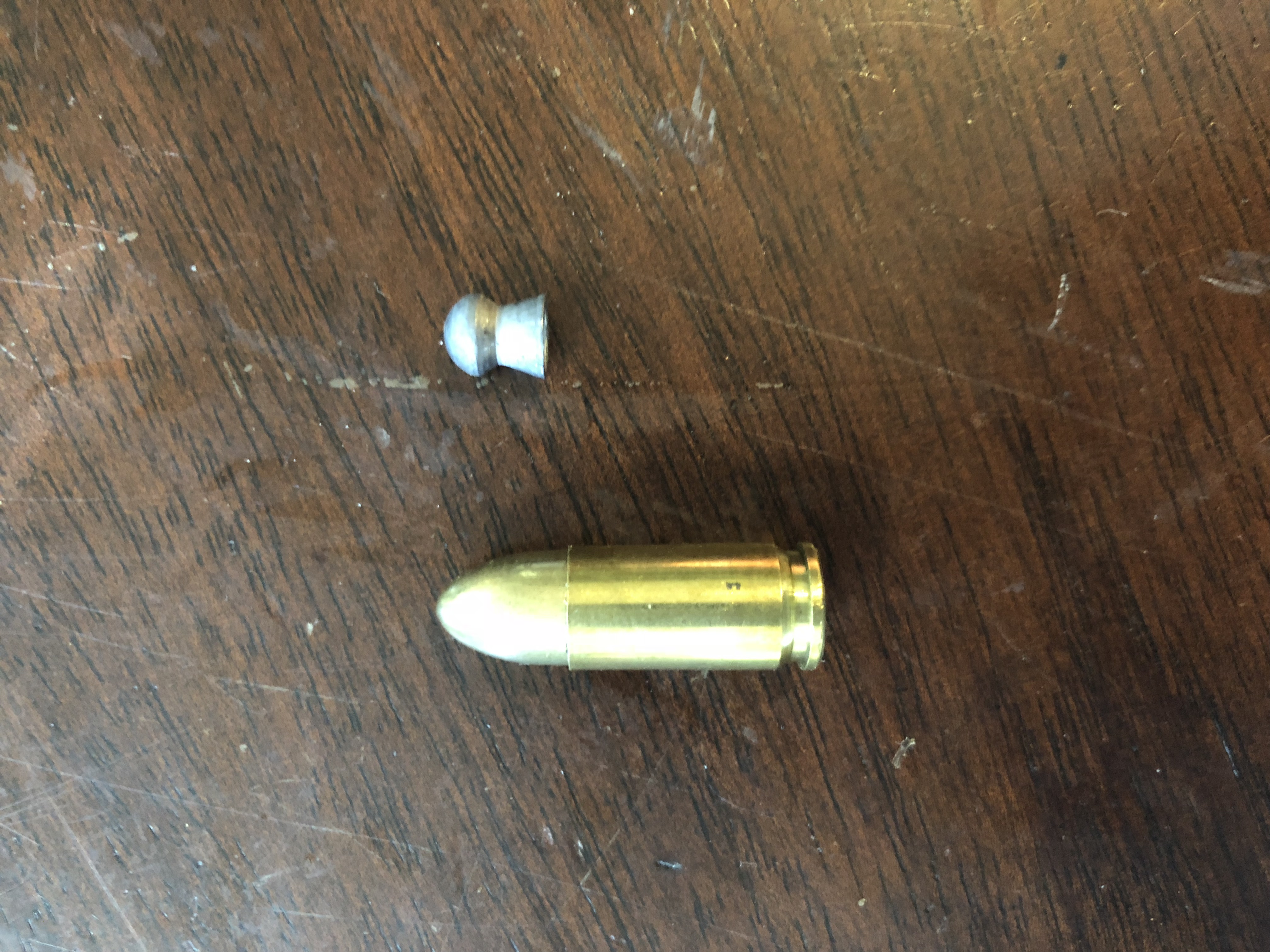
Budget-friendly ammo typically means the lowest-cost factory loads, usually steel-cased or bulk-packed rounds, priced significantly below premium defensive or match lines. Cheap ammunition prioritizes function over precision; it is reliable for training, plinking, and practice because modern manufacturing ensures consistent ignition and cycling in most .17 HMR Ammo for Sale firearms. However, reliability dips in finicky platforms—especially tight chambers or sensitive triggers—due to less polished cases and harder primers. You should test a few boxes in your specific gun before bulk-buying. While cheap ammunition won’t match match-grade accuracy or terminal performance, its reliability is ample for drills, zeroing, and building muscle memory. The key distinction: budget-friendly ammo is reliable for practice, not for carry or duty, where you’d trust premium rounds.
Defining “Cheap” vs. “Low-Quality” – Where the Real Savings Are
Cheap ammunition isn’t automatically low-quality; the real savings come from distinguishing price from performance. A budget round that consistently cycles your firearm and holds acceptable accuracy is simply inexpensive, while low-quality ammo fails through popped primers, split cases, or keyholing. Focus on specialty sports & supply reliable budget ammunition, which saves money without compromising function. Seek out trusted remanufacturers or bulk value packs from major brands, testing a small sample for feeding and extraction before committing. Compare cost per round, not just sticker price, because malfunctions waste range time and potentially damage your gun. The genuine bargain is ammunition that shoots clean and groups predictably, not the cheapest box that risks your safety or requires troubleshooting. Prioritize function over flashy discounts.
Steel-Cased vs. Brass-Cased: Which Budget Round Functions Better in Your Firearm?
When choosing between steel-cased and brass-cased budget ammunition, the primary functional difference lies in how each casing interacts with your firearm’s chamber and extractor. Steel, being harder than brass, lacks the malleability to form a tight gas seal upon firing, which can lead to increased carbon fouling in the chamber and a higher likelihood of stuck cases in guns with tight tolerances. Brass expands more readily under pressure, offering smoother extraction and more consistent cycling in most semi-automatic platforms. However, modern polymer-coated steel cases from reputable manufacturers mitigate many of these issues, making them reliable for range use, though they typically cause 5.7x28mm Ammo for Sale faster wear on extractor components. For budget-conscious shooters, steel-cased ammo functions best in AK-pattern rifles or firearms designed with looser chambers, while brass remains the safer bet for precision-dependent or finicky handguns.
- Steel cases are often coated with polymer or lacquer to reduce friction and improve extraction reliability.
- Brass cases are reloadable, whereas steel cases are 5.56 Ammo for Sale generally single-use, affecting long-term cost per round.
- In AR-15 platforms, steel-cased rounds may require a heavier buffer to manage bolt carrier velocity due to reduced case expansion.
- Extreme cold can make steel cases more brittle, increasing Ammo Cans & Storage for Sale the risk of case head separation in tight chambers.
How to Identify the Best Value Rounds Without Sacrificing Accuracy
Finding cheap ammunition that still groups well starts with testing your specific firearm’s barrel twist and chamber throat, as these dictate which bullet weight stabilizes best. Buy one box of three or four budget brands in that weight, then shoot from a rested bag at 50 yards, firing five-round groups and measuring the spread. Ignore the flashy packaging; instead, compare the actual standard deviation of velocity across each brand—consistent powder charges produce tighter vertical stringing. Look for rounds with a flat-based projectile or a cannelure, which often offer better uniformity than lightly jacketed alternatives. Also, check the crimp and seating depth by pulling a bullet from each box; uneven crimps cause flyers. Once you find a lot number that prints sub-2-inch groups, best value rounds are those you can buy in volume from that same lot, ensuring repeatable accuracy without paying premium prices.
Reading Ballistics Tables for Budget Loads: What the Numbers Really Mean
Reading ballistics tables for budget loads means separating marketing hype from usable data. Focus on the muzzle velocity and energy figures at your typical engagement distance—often 100 yards—rather than the maximum chart values, which rarely reflect real-world conditions. A budget round’s trajectory will show a steeper drop; compare the 200-yard elevation correction against a premium load to see if your scope adjustments stay practical. Pay attention to the standard deviation (SD) in velocity, not just the average: a low-cost cartridge with a wide SD will shift impact points unpredictably. Cheap ammo’s ballistic coefficient often varies more between lots than between brands, so verify the lot number on your box. For hunting or precision work, the difference of 0.2 inches at 100 yards is less critical than consistent vertical spread. Interpreting the velocity-to-drop ratio tells you whether a budget bullet stays supersonic past 150 yards, which is the real threshold for usable accuracy.
Q: Why does my budget load’s ballistic table show flatter trajectory than what I actually hit at 50 yards?
A: Most budget tables list data from a 24-inch test barrel and an idealized atmosphere; your shorter barrel and cooler air change the initial velocity, so the drop figure shifts by an inch or more. Always re-zero using the table only as a baseline, not gospel.
Flat-Nose, FMJ, or Rounded Tips – Which Cheap Projectile Shape Saves You the Most at the Range?
For pure cost-per-round at the range, rounded full metal jacket (FMJ) tips offer the most consistent savings. Their ogive profile feeds flawlessly in nearly any magazine, reducing malfunctions that waste expensive range time and ammunition. Flat-nose projectiles are often slightly cheaper per box due to simpler manufacturing, but they demand careful seating depth and can cause feeding hiccups in tight chambers, effectively costing you more in frustration and potential double-feeds. Rounded tips, by contrast, maintain a stable ballistic path at typical 10–25 yard practice distances, ensuring your cheap rounds actually hit where you aim. While flat-nose bullets excel in lever-action tubes, they don’t save you money at a standard handgun or rifle range because of their finicky cycling. Thus, the rounded FMJ is the undisputed value champion for high-volume, reliable practice.
Rounded FMJ tips deliver the cheapest, most reliable range sessions; flat-noses save pennies but cost you in feeding issues.
Where to Score the Lowest Prices on Bulk Ammo for Pistol and Rifle
For the lowest bulk pricing on pistol and rifle ammunition, skip local big-box stores and focus on online volume retailers like Target Sports USA, Bereli, and SG Ammo, which frequently offer free shipping thresholds that offset small-order fees. To truly score cheap ammo, buy by the case (500–1,000 rounds) and use price-comparison search engines like AmmoSeek, which aggregates current per-round costs across dozens of vendors in real time. **Question: Is it cheaper to buy from a warehouse club’s website? Answer: No—dedicated ammo e-tailers undercut them by 10–20% on bulk orders due to lower overhead and direct distributor deals.** Also, sign up for email alerts on specific calibers like 9mm or .223, as flash sales often drop prices below the already-low subscription rates. Always factor in 7.62×39 Ammo for Sale shipping and tax when comparing final landed cost per round, since a lower sticker price can be erased by heavy freight fees.
Buying Full Cases vs. Single Boxes: How to Calculate the True Cost Per Round
When comparing buying full cases versus single boxes, calculate the true cost per round by dividing the total price, including shipping and any hazmat fees, by the number of cartridges. A case of 500 rounds at $250 with $15 shipping yields $0.53 per round, while ten boxes of 50 at $26 each with free shipping cost $0.52—making singles cheaper despite the bulk discount. Always factor in per-unit price, not the total sticker price, and check if case pricing includes a hidden per-box markup. Calculating true cost per round requires adding all fees, then dividing by total rounds, to avoid overpaying for bulk. Compare at least two vendors using this method before committing.
| Purchase Type | Price Basis | Key Fee to Add |
|---|---|---|
| Full Case | Per 500–1000 rounds | Shipping + possible hazmat |
| Single Box | Per 20–50 rounds | Shipping (often free over threshold) |
Online Surplus Deals vs. Local Store Clearance Racks – Which One Wins for Fast Shipping?
When prioritizing fast shipping for cheap ammunition, local store clearance racks usually beat online surplus deals, because you walk out with the box instantly—no carrier transit time. Online surplus sites may offer lower per-round pricing, but standard ground shipping adds 3–7 days, plus handling delays. If a local rack has a 9mm or .223 discount, the immediate pickup eliminates waiting entirely. However, for obscure calibers, online surplus remains the only option, yet you must pay for expedited freight to match .17 WSM Ammo for Sale local speed. Clearance racks win when you need rounds today; online wins only if you can tolerate shipping lag.
- Local racks: instant possession, zero shipping cost, but limited stock depth.
- Online surplus: better bulk pricing, but fast shipping requires upgraded 7.62×51 Ammo for Sale courier fees.
- Check local store websites for real-time rack inventory before driving.
- For rifle calibers, online surplus often bundles heavy cases—factor in freight weight surcharges.
Using Cheaper Rounds for Training While Keeping Your Zero for Premium Hollow Points
Plinking with cheap ammo is the smart way to build trigger time without burning through your expensive defensive stash, but you have to accept that your point of impact will shift. Your pistol’s zero with lightweight, budget-friendly rounds often sits lower or slightly off from where heavier hollow points land. So, don’t panic if your groups look low-left with bargain FMJs—that’s normal. Keep your zero locked to your premium hollow points and treat the cheap stuff purely as a mechanics training tool. The real trick is to confirm your carry load’s zero every few hundred rounds, then use the cheap ammo for draw, sight-picture, and recoil drills, knowing your hits will be a few inches off at distance.
Your defensive zero is the fixed reference, cheap ammo is just the repetition—don’t chase two different zeros.
It’s a fair trade: spend less per round, stay sharp, and re-verify the expensive stuff periodically.
How to Match the Point of Impact Between Budget FMJ and Your Defensive Load
To match the point of impact between budget FMJ and your defensive hollow points, first establish a baseline by firing your premium load from a rested position at your primary zero distance. Record the group center. Next, shoot the same number of budget rounds under identical conditions. Shift your zero with a deliberate holdover based on the vertical and horizontal delta between the two group centers, not by adjusting your optic for the cheaper ammo. If the FMJ prints lower, aim higher by that measured amount; if it drifts left, offset your point of aim accordingly.
- Shoot five-round groups of each load at 10, 15, and 25 yards.
- Measure the distance between group centers on a target grid.
- Calculate the average offset and commit it to memory or a small cheat card.
- Practice with the FMJ using that holdover to ingrain the offset for defensive scenarios.
This keeps your optic locked for the hollow points while allowing budget rounds to mimic real-world impact at typical engagement distances.
Reducing Recoil Fatigue During High-Volume Practice Sessions with Light Loads
When you’re burning through hundreds of budget rounds, reducing recoil fatigue 7mm PRC Ammo for Sale during high-volume practice sessions with light loads keeps your form honest and your hands pain-free. Stick to lighter bullet weights—like 115-grain 9mm—since they generate less snap than heavier defensive loads, letting you drill longer without flinching. Focus on a firm, high grip and let your arms absorb the push naturally, avoiding tensed shoulders that tire fast. Take short 5-minute breaks every 50 rounds to stretch your wrists and shake out tension, preserving fine motor control for your premium hollow points later. This way, you train volume without building bad habits from exhaustion.
Light loads, smart grip, and quick rests let you practice cheaply while keeping your hands fresh for the real thing.
Cleaning and Maintenance Tips to Extend the Life of Your Gun After Shooting Inexpensive Rounds
Shooting inexpensive rounds often means dealing with dirtier powder and heavier fouling, so your cleaning routine needs a slight upgrade. Cleaning and maintenance tips for budget ammo start with a bore solvent that targets copper and carbon, because cheap jacketed bullets tend to leave more residue behind. Run a wet patch through the barrel, let it soak for a few minutes, then use a bronze brush before dry-patching—this breaks down the stubborn gunk that accumulates faster with low-cost loads. Don’t forget the bolt face and chamber, where unburnt powder flakes love to hide; a quick wipe with a cloth and solvent prevents buildup from affecting reliable cycling. Lubricate moving parts lightly afterward, but avoid over-oiling, as excess lube traps the gritty carbon from cheap primers. Finally, check the firing pin channel more often—dirty ammo can clog it over time, so a quarterly deep clean keeps your gun running smoothly and extends its lifespan.
Dealing with Lacquer Buildup and Dirty Powder from Economy Cartridges
Cheap ammo often means lacquer-coated cases and powder that leaves a stubborn, gritty film. That lacquer melts under heat, baking onto your chamber and bolt face like tar, so aggressive solvent-soaked patches are your first defense. Don’t wait until it hardens; scrub warm metal right after shooting with a bronze brush and a bore cleaner designed for carbon. For the dirty powder residue, run a wet patch through the barrel, let it soak for five minutes, then follow with a dry patch and a light 7.62x54R Ammo for Sale oil coat. Pay special attention to the extractor and gas ports—they clog fastest. A dedicated chamber brush, not a mop, breaks the lacquer ring loose before it causes stuck cases. Finish with a wipe-down of all friction points to keep the action slick despite the crud.
Quick Cleaning Routines That Prevent Misfires When You Switch Back to Pricier Ammo
After firing inexpensive rounds, residue from dirty propellants and lacquer-coated casings can accumulate in the chamber and bolt face, causing the next premium cartridge to seat improperly or fail to ignite. Before switching back, run a dry patch through the barrel and chamber to remove loose carbon, then use a bore brush dipped in solvent, followed by two clean patches. Focus on the extractor groove and firing pin channel using compressed air, as fouling here reduces primer strike force. Apply a light coat of oil to the rails but keep the bolt face dry. This pre-switch cleaning routine ensures reliable ignition, as tight headspace and a crisp striker drop are critical for harder military-grade primers found in pricier ammunition.
Common Questions About Cheap Ammo – Accuracy, Misfires, and Storage
Shooters often ask if cheap ammunition hurts accuracy. Budget rounds with inconsistently weighed bullets or brass can open groups by one to two inches at 100 yards, but for plinking or drills under 25 yards, that difference rarely matters. Misfires are a real concern: cheap primers or poor primer seating cause light strikes. If a round fails, keep it pointed downrange for 30 seconds, then eject and inspect the primer—a shallow indent means the gun, not the ammo. For storage, cheap ammo’s lacquer or polymer coatings can soften in heat or attract moisture. Keep boxes sealed with a desiccant pack in a cool, dry place; avoid storing loose rounds in a magazine, as repeated pressure can deform soft bullets and cause feed failures. Rotate your stock yearly so old, corroded rounds never reach your firearm.
How Long Can You Store Budget Rounds in a Hot Garage or Cold Basement?
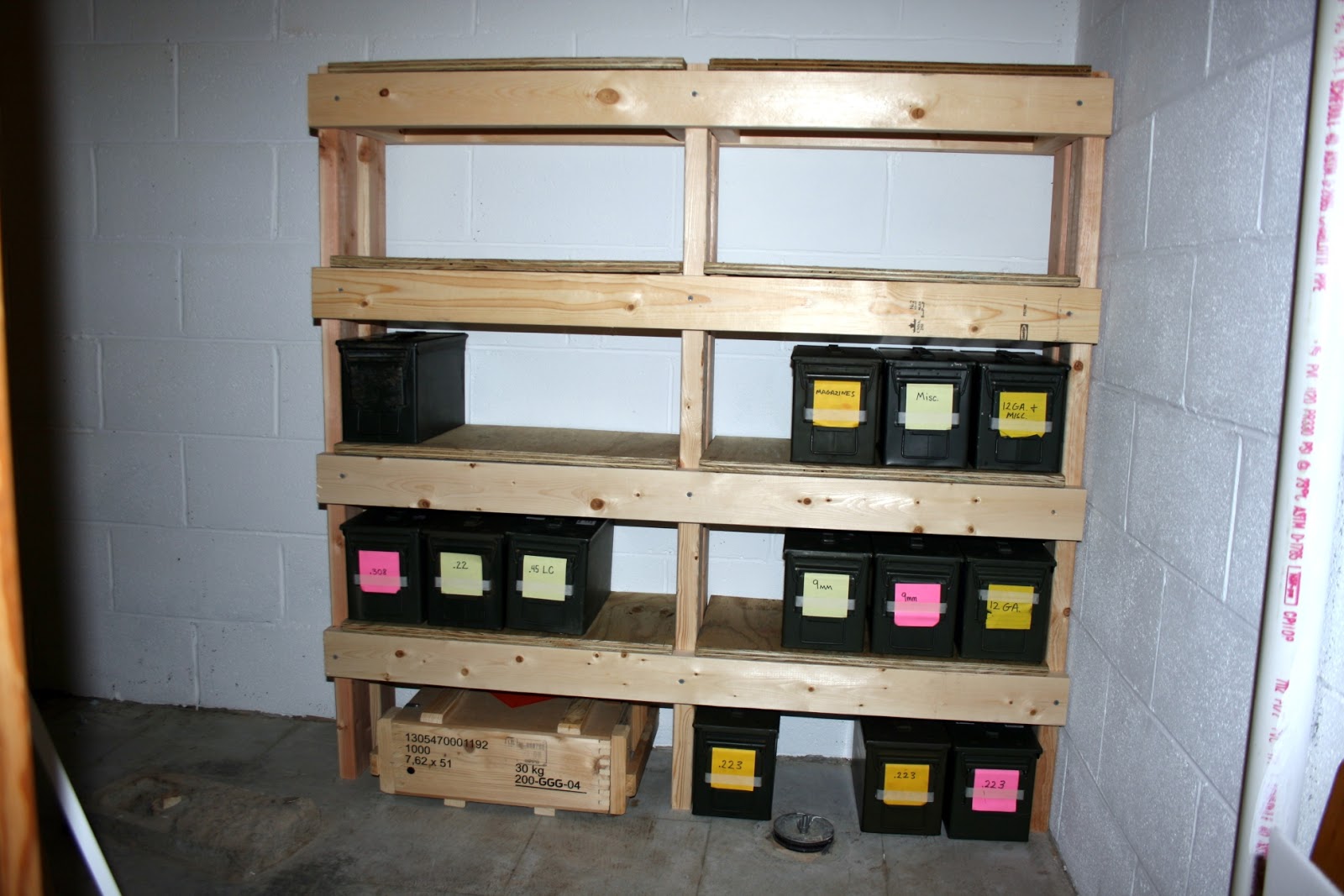
Budget ammunition stored in a hot garage typically degrades faster than rounds kept in a cold basement, but both environments shorten shelf life if humidity is uncontrolled. In a garage where summer temperatures exceed 100°F, powder stabilizers break down more rapidly, often reducing reliable performance to **roughly 3 to 5 years** before pressure inconsistencies or misfires appear. A cold basement, staying below 50°F, slows chemical aging but invites condensation on casings, risking primer corrosion and case neck cracking; with moisture absorbers, those rounds may last 8–10 years. Without airtight, sealed ammo cans, budget rounds in either extreme become unreliable within 1–2 seasons.
Q: How long can you store budget rounds in a hot garage or cold basement? A: Realistically, 3–5 years in a hot garage, 8–10 years in a cold basement—provided you use desiccant packs and sealed containers to block fluctuating humidity.
Why Do Some Cheap Rounds Fail to Fire and How to Handle a Dud Safely
Cheap rounds often fail to fire because their primers are seated inconsistently or contain a weaker compound, which can shift or degrade during manufacturing. A light hammer strike might also fail to ignite a hard primer. When you get a click instead of a bang, keep the muzzle pointed downrange for at least 30 seconds—this handles a potential hangfire. Then, carefully eject the round and inspect the primer for a strike mark. If it’s dented but didn’t go off, don’t rechamber it. Instead, dispose of it properly, ideally in a dud container. Never pry at the primer, and treat every failure as live until proven safe. Safe dud handling prevents catastrophic injuries.
Duds stem from poor primer quality or seating; always wait, keep it pointed safely, eject, and never re-fire. Your patience keeps you safe.